A Tech Bite from Greener Technical Service Manger Jeff Fouche
Due to production demands and a shortage of experienced mechanics, maintenance on flow wrappers is often reduced to immediate problem solving. In the rush to restore production, this reactive maintenance relies on short-term fixes that don’t fully resolve the underlying cause of the problem and fail to restore peak efficiency. Repeat problems require additional quick fixes and further erode efficiency.
This Greener Tech Bite details systematic preventative maintenance practices for flow wrappers that sustain peak efficiency and production levels.
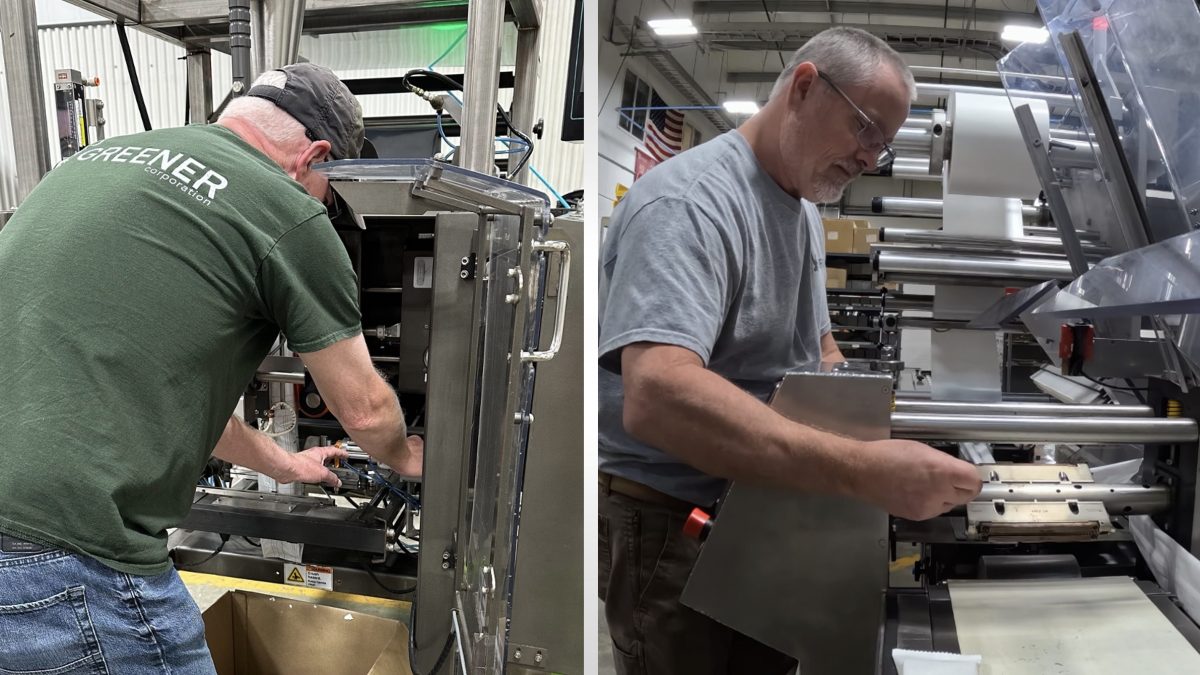
If you and your team don’t have the required time or experience to implement preventative maintenance, Greener’s Technical Specialists can provide regularly scheduled onsite visits to perform line evaluations, make necessary updates, and provide training on these procedures.
Systematic Preventative Maintenance
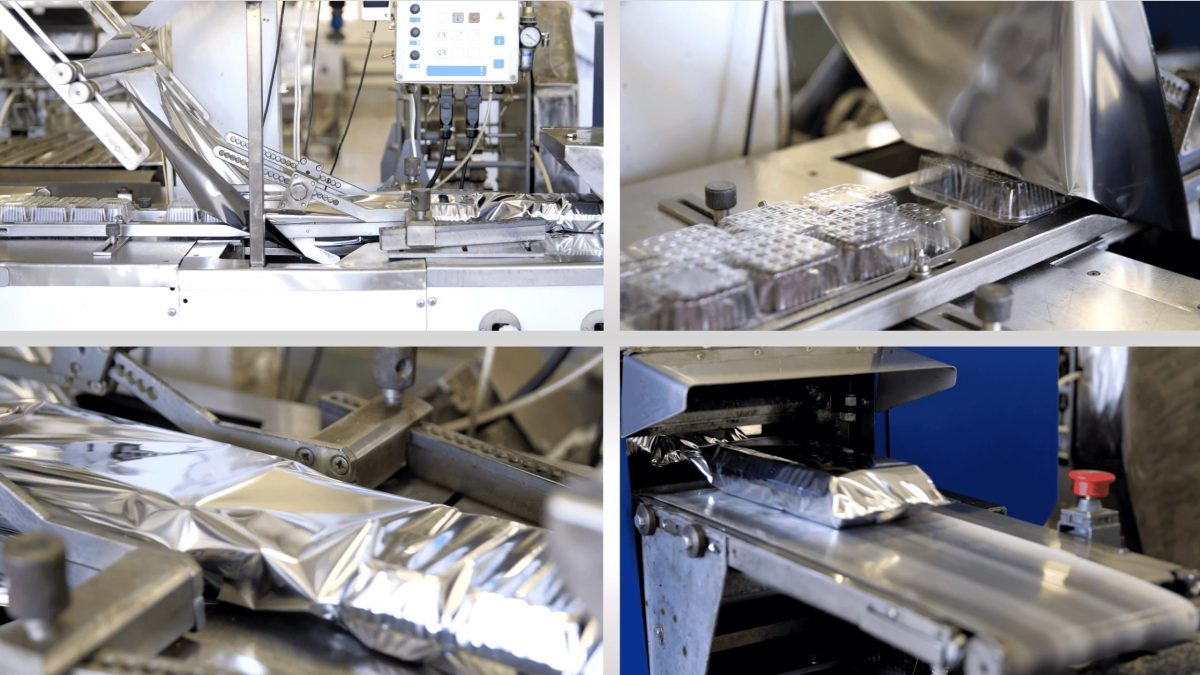
The following flow wrapper components and adjustments—from the product feed through to the package discharge—should be evaluated and updated at least every three months.
Product Infeed
On the product infeed, stretched or worn components cause product misalignment and create timing problems. Replace worn or stretched infeed flight chains. Inspect the belts—even those with automatic tensioners—and replace them if they are stretched, worn, or frayed and can’t hold the proper tension.
The product infeed should be level and aligned with the flow wrapper.
Rails – Deck Plates – Forming Box
Check the rails, deck plates, and the forming box for misalignment or damage and readjust, repair, or replace them as needed.
When not level, smooth, or properly positioned, these components inhibit movement of the product and packaging material, causing malformed packages that delay production.
Packaging Material Unwind
Replace the bearings of shafts and rollers on the packaging material unwind that don’t spin freely; they create excess tension that causes tracking problems.
Adjust rollers to create the proper tension on the packaging material as it moves throught he forming process.
Fin Wheels
Fin wheel issues can cause slippage, poor tracking, and seal problems. Make sure that the tension between the fin wheels is correct and adjust their tilt to prevent slippage and create tighter packages.
Replace fin wheels that are worn, damaged, or have sharp edges. Check the condition of the fin wheel bearings and replace them if needed.
Cutting and Sealing Head
The cutting and sealing head requires frequent inspection and updating.
Backlash
Check for and remove backlash between the upper and lower sealing jaws.
Worn bearings cause chronic problems that can be difficult to diagnose. To determine if new bearings are needed, follow this bearing evaluation process.
Carbon Impression
Next, remove the knives and anvils and, with the sealing jaws at operating temperature, run carbon impressions to evaluate their condition and setup.
Clean the slots to ensure that knives and anvils can be firmly and accurately seated. To prevent cutting problems, always replace the anvil when installing a new knife.
At any point in the packaging process, insufficient cleaning can degrade efficiency.
Clean components such as belts, formers, deck plates, fin wheels, and both the upper and lower sealing jaws during scheduled production breaks and whenever time allows—before problems occur.
Regularly Scheduled Preventative Maintenance with Greener Corporation
Relying on reactive maintenance erodes package quality and output levels.
If you don’t have a systematic preventative maintenance program for your flow wrappers, consider partnering with Greener Corporation for regularly scheduled Technical Service visits. Our Technical Specialists will perform line evaluations, make necessary updates, and provide training to keep your flow wrappers running at peak efficiency.
To learn more contact Greener Corporation. We provide integrated parts and technical service solutions worldwide.
Tags
Carbon Impressions
Cleaning
Fin Wheels
Formers - Flow Wrappers
Knives and Anvils
Sealing Jaws
Sealing Jaws - Backlash
Setup and Adjustment
Training
Troubleshooting
Related Posts
Checklist for Troubleshooting Sealing Problems on Flow Wrappers