A Tech Bite from Greener Packaging Technology Engineer Steve Tucker
How do you define a successful seal on packages from your flow wrappers or vertical baggers? What obstacles can prevent you from achieving these standards?
This Greener Tech Bite helps you evaluate your seal integrity objectives and explores the limitations of your flexible packaging material and production output requirements that can prevent you from achieving these objectives.
Seal Integrity Objectives
Each product has different needs for barrier protection from oxygen, moisture, and/or light, and has different shelf life requirements. These criteria dictate both the structure of the flexible material the product is packaged in and the levels of seal strength and hermiticity that are required.
It’s important to clearly understand the protection requirements of your product.
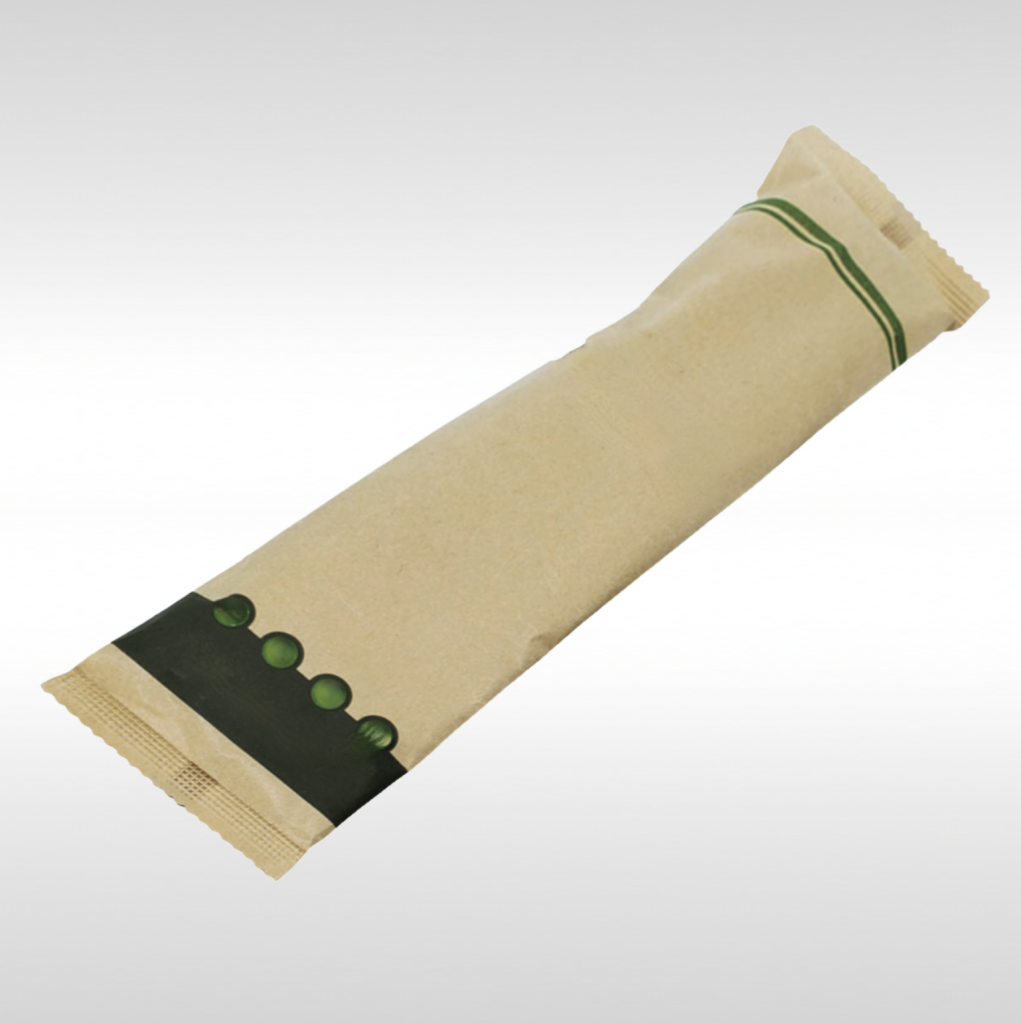
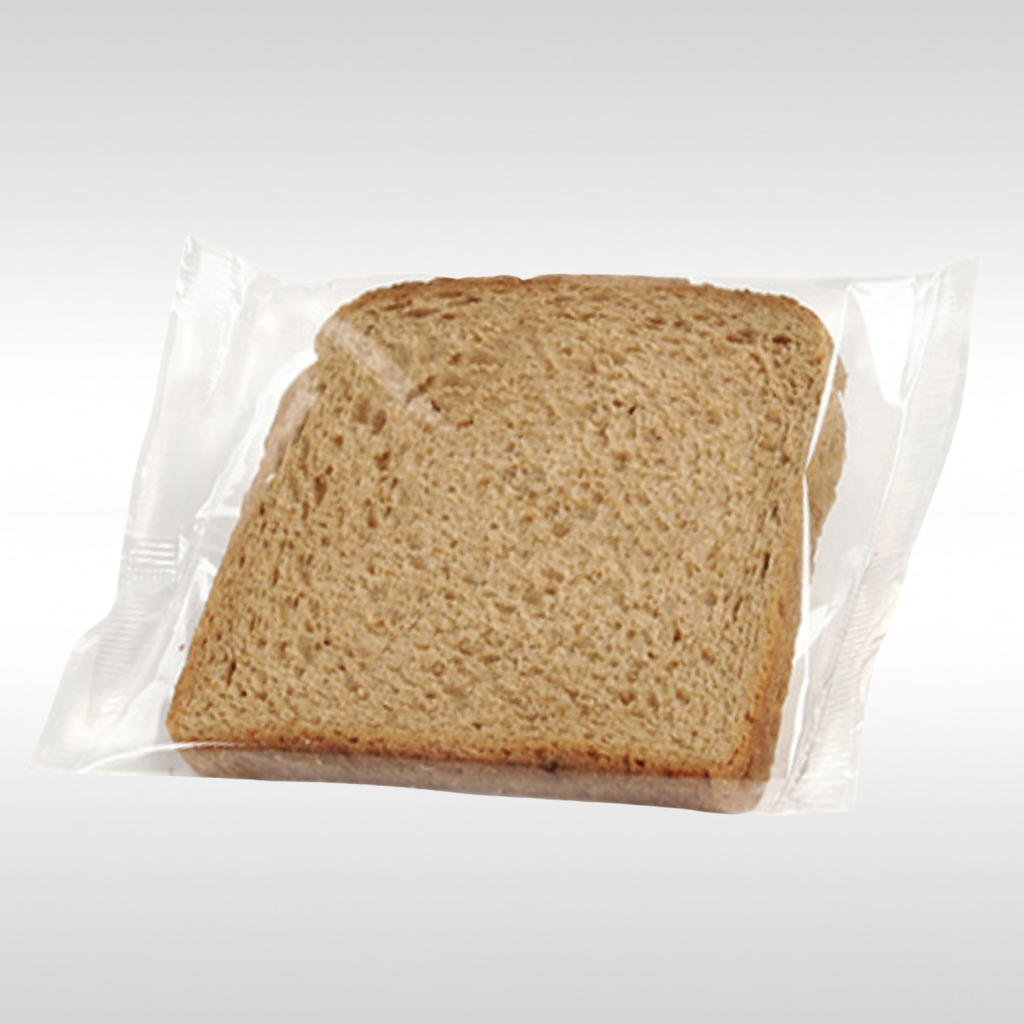
For nonperishable products that only need a dust cover or containment, such as plastic cutlery, there’s no need to spend money or waste time and effort attempting to achieve hermetic seals. But for some baked goods and other products that need more protection to extend their shelf life, maintaining a quality seal with the properly specified packaging material is vital. Most packaging applications fall somewhere between these two extremes and require some careful consideration.
If you can’t clearly state the reasons for your current seal integrity requirements, it’s a good idea to reevaluate your criteria—you could be wasting money on overly stringent goals or be losing market share by sending out packages that don’t keep your product fresh.
Flexible Packaging Material
Once you are satisfied that your seal integrity objectives address the protection needs for your product, you can re-examine your flexible packaging material choice to make sure the structure can achieve these standards..
Requirements for puncture resistance, tear resistance, and for specific graphics, colors, and glossiness also much be considered.
Production Output Goals
The production output goals you have for your flow wrappers or vertical baggers will also influence the packaging material structure that you need.
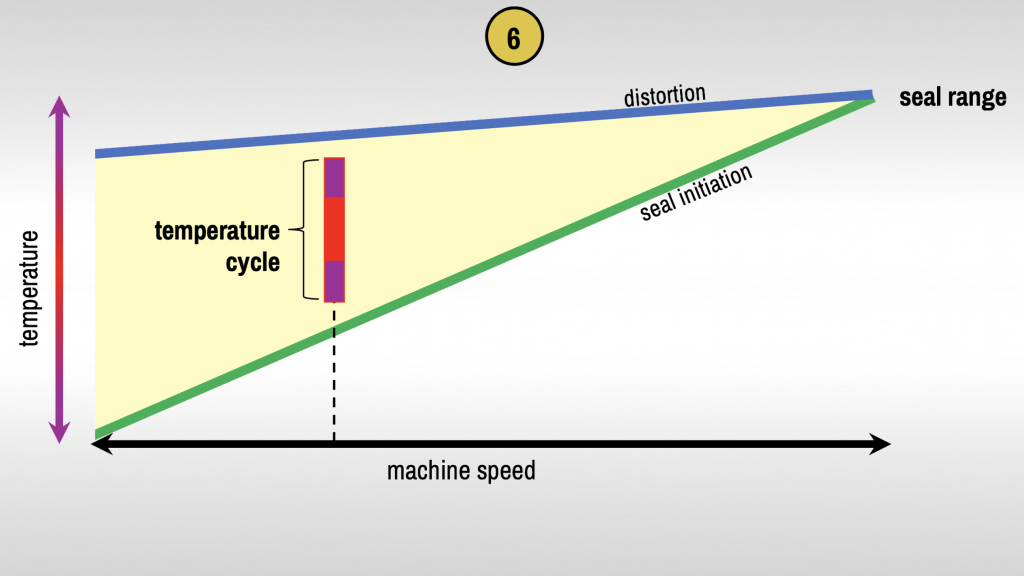
On heat seal applications, sealing jaw temperatures typically cycle up and down as they transfer heat to the package and then recover.
Maximum production speeds are limited by the need to maintain these temperature cycles within the seal range of the packaging material—the span between the seal initiation temperature and distortion temperature. The seal range narrows as machine speed increases and dwell time is reduced.
Flexible packaging materials with limited seal ranges may be utilized to reduce costs or to achieve sustainability goals.
Improvements to sealing jaw design and machine setup can reduce temperature cycles and broaden the seal range to help you achieve success with these materials.
But a seal range that is too narrow can reduce machine speed and prevent you from reaching your production output requirements.
Conversely, an overqualified material with a wider-than-required seal range adds unnecessary expense to your operation.
Your packaging material should meet, but not exceed, your requirements for product protection, machinability, and production output levels.
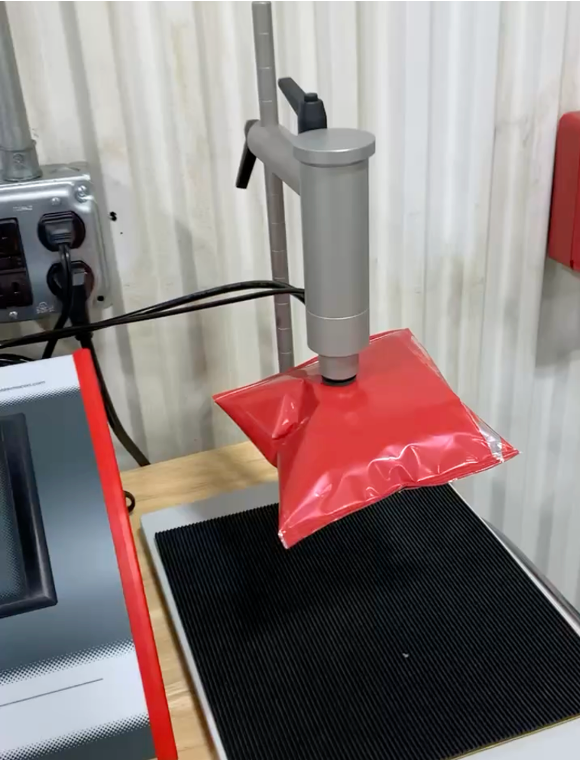
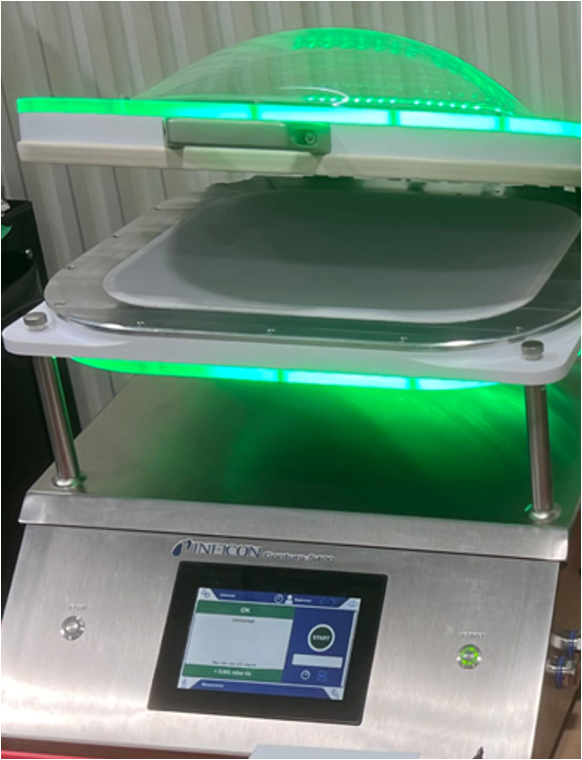
For a product that simply needs a dust cover, any testing more elaborate than a simple hand squeeze test might be a waste of time and effort. But a product that requires a moisture and oxygen barrier to stay fresh necessitates a more reliable, accurate test such as Pressure Decay or Gas Flow Detection.
If you’d like guidance with evaluating your seal integrity objectives, specifying and trialing packaging materials, seal testing, and setting up your flow wrappers and vertical baggers for success, consult with Greener’s Technical Specialists.
We provide integrated parts and technical service solutions worldwide.
Tags
Flexible Packaging Materials
Seal Range
Sealing Jaws
Related Posts
Checklist for Troubleshooting Sealing Problems on Flow Wrappers