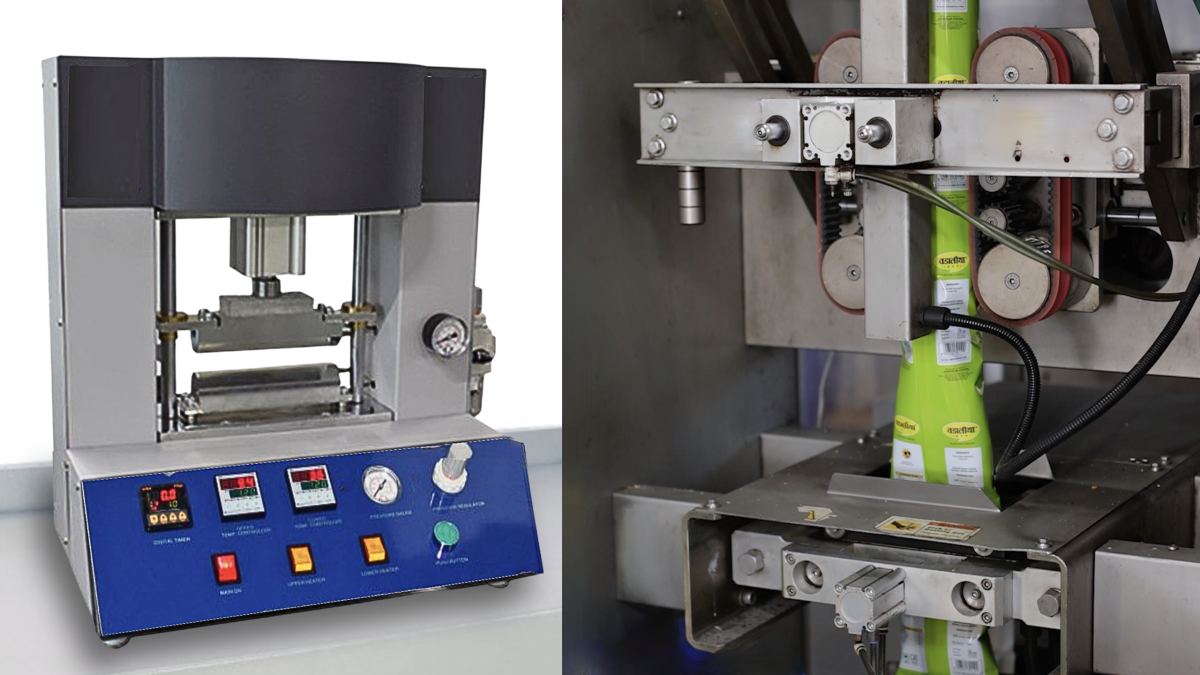
A Tech Bite from Greener Technical Service Manger Jeff Fouche
The cause of seal problems on flow wrappers is often presumed to be the adjustment or condition of the sealing jaws. The source of sealing issues, however, can also be rooted elsewhere.
This Greener Tech Bite provides a checklist of additional packaging components and processes that must function properly to optimize seal integrity on flow wrappers.
1. Product Production
Let’s start at the beginning, with Product Production. Variations in product size, count, shape, or consistency can cause packages to be extra tight or too loose and create extra wrinkles and gussets that are difficult to seal across.
Visit greenercorp.com/PFS for more details on how product issues cause seal problems.
2. Product Spacing
Products should be fed into the forming box so that they are centered in the package end to end, as we explain at: greenercorp.com/P-FW
3. Alignment of Packaging Processes on Center
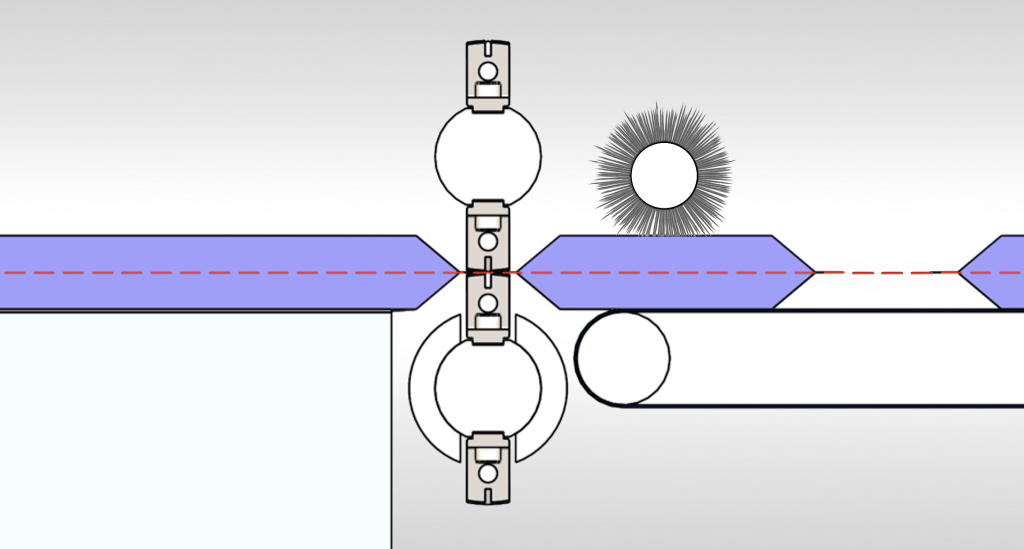
Packaging processes that are not aligned along the centerline of the wrapper create loosely wrapped packages, uneven fin seals, wrinkles, and pleats that cause sealing problems.
For details on aligning the product feed, forming box, fin wheels, sealing jaws, packaging material roll, and the product rails, visit greenercorp.com/AC
4. Packaging Material Tension
Too little or excess tension on the packaging material as it moves through the forming process causes tracking issues, narrow or uneven fin seals, and loosely wrapped packages that create sealing issues.
Visit: greenercorp.com/AT to learn more about optimizing roller adjustment on flow wrappers.
5. Fin Wheels
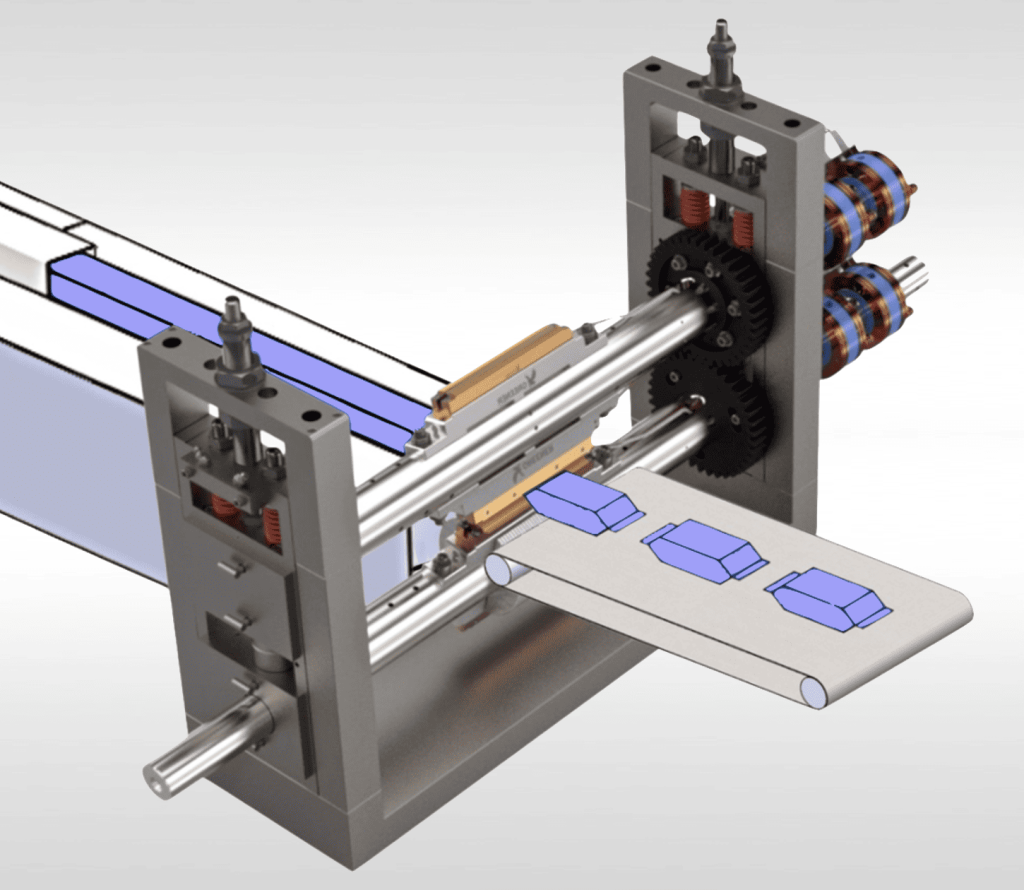
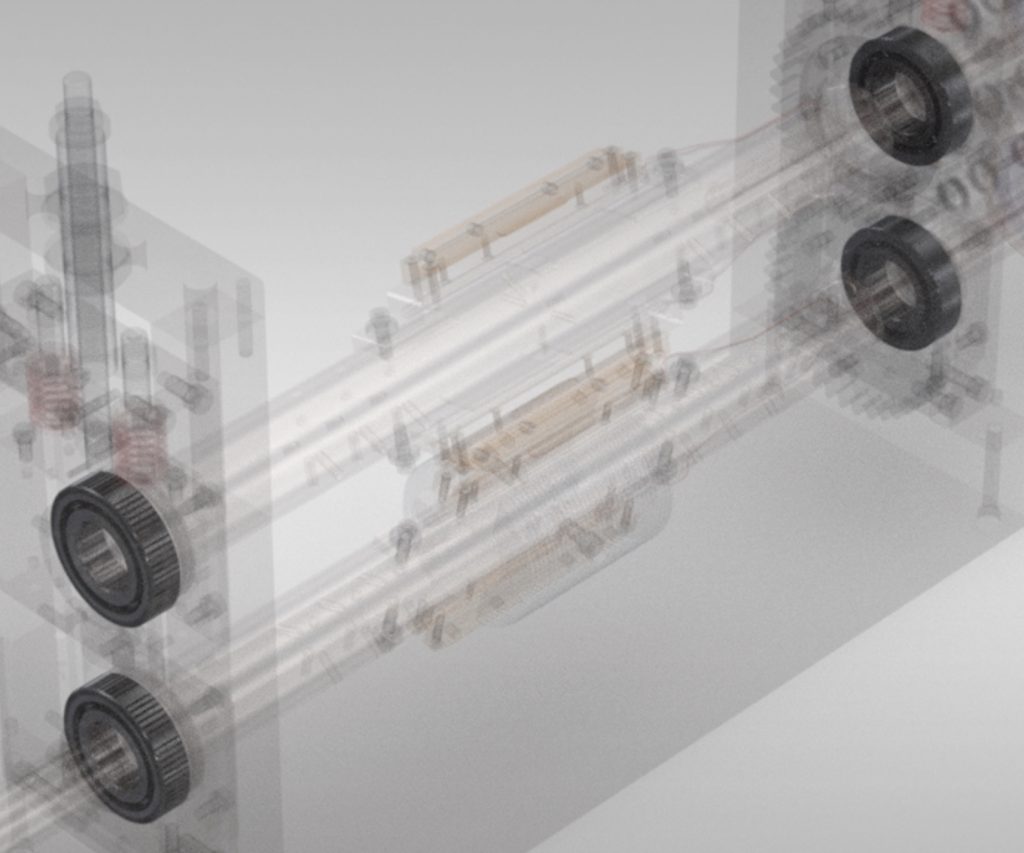
The adjustment, bearing condition, wear, and design of the fin wheels can also impact seal integrity. Consult our guide to fin wheel troubleshooting and preventative maintenance at: greenercorp.com/AFW
At this point the packaging material has been formed into a tube and the product should be properly positioned. But additional processes are important for seal integrity.
6. Fin Seal Fold, Tuckers & Gussetters
The fin seal fold mechanism, tuckers, and gussetters must be adjusted to prevent extra folds and wrinkles that facilitate leaks in the end seal.
7. Vertical Alignment
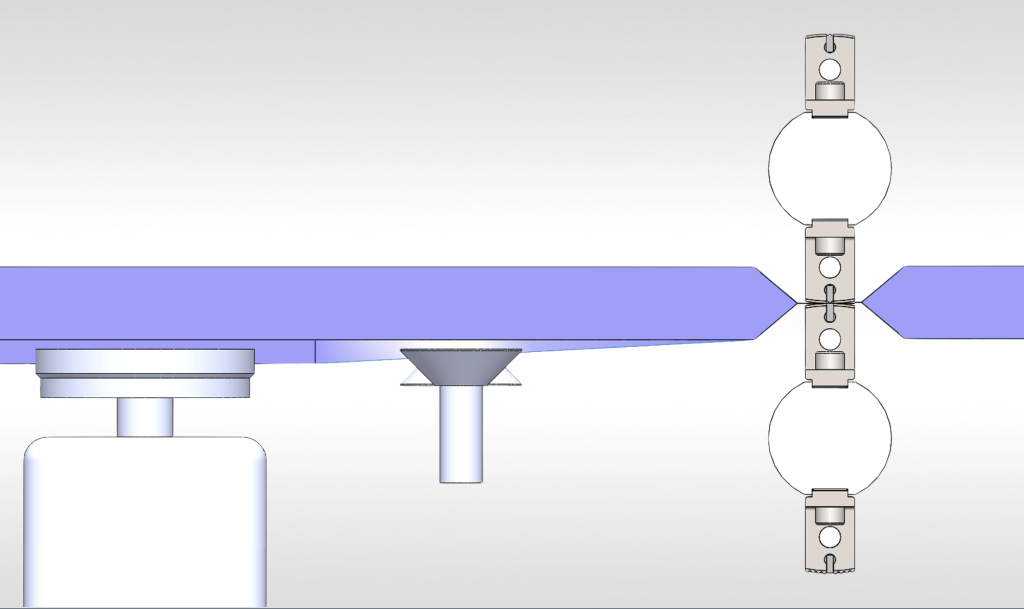
The cutting and sealing head, product carriers, brushes or guides, and the discharge belt should all be vertically aligned so that the package moves freely and remains on an even plane as it is cut and sealed.
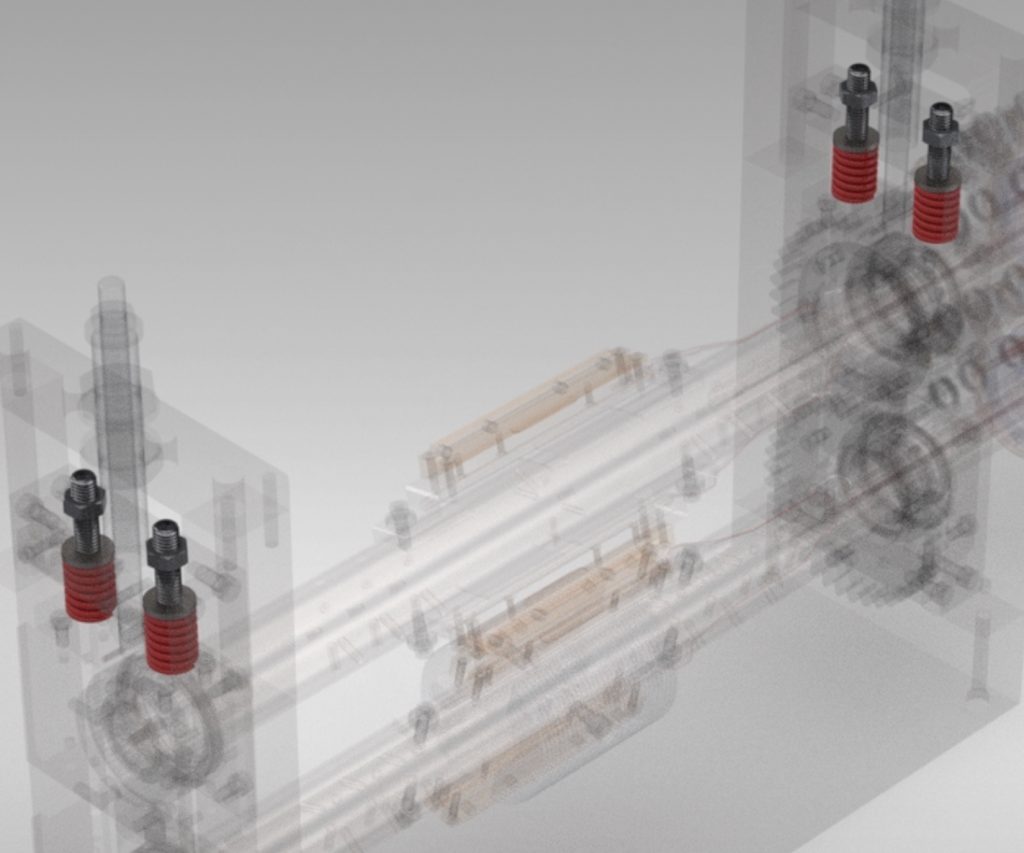
Get details on evaluating and adjusting springs and compression washers at greenercorp.com/SCW
For more information about troubleshooting the full range of packaging processes on flow wrappers and vertical baggers, consult our Technical Resource Blog at greenercorp.com/TRB and contact Greener Corporation.
We provide integrated parts and technical services worldwide.
Tags
Sealing Jaws
Setup and Adjustment
Troubleshooting
Related Posts
NEW, Expanded Resources to Troubleshoot Problems, Run Material Trials, and Train Your Team