A Tech Bite from Greener Technical Service Manger Jeff Fouche
When you’re troubleshooting problems on flow wrappers, it’s important to evaluate the whole production process, including those that occur upstream from the wrapper.
This Greener Tech Bite presents examples where product production issues caused package forming and sealing problems.
Fractured End Seals
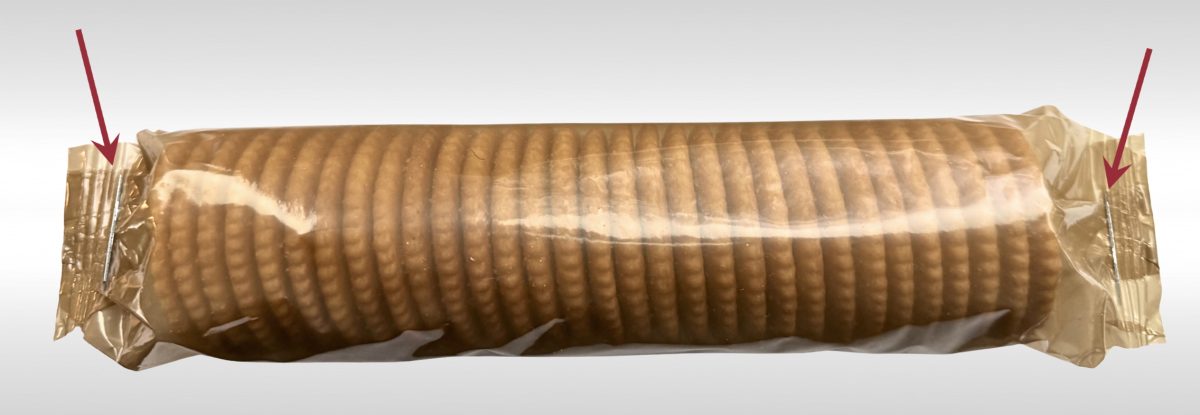
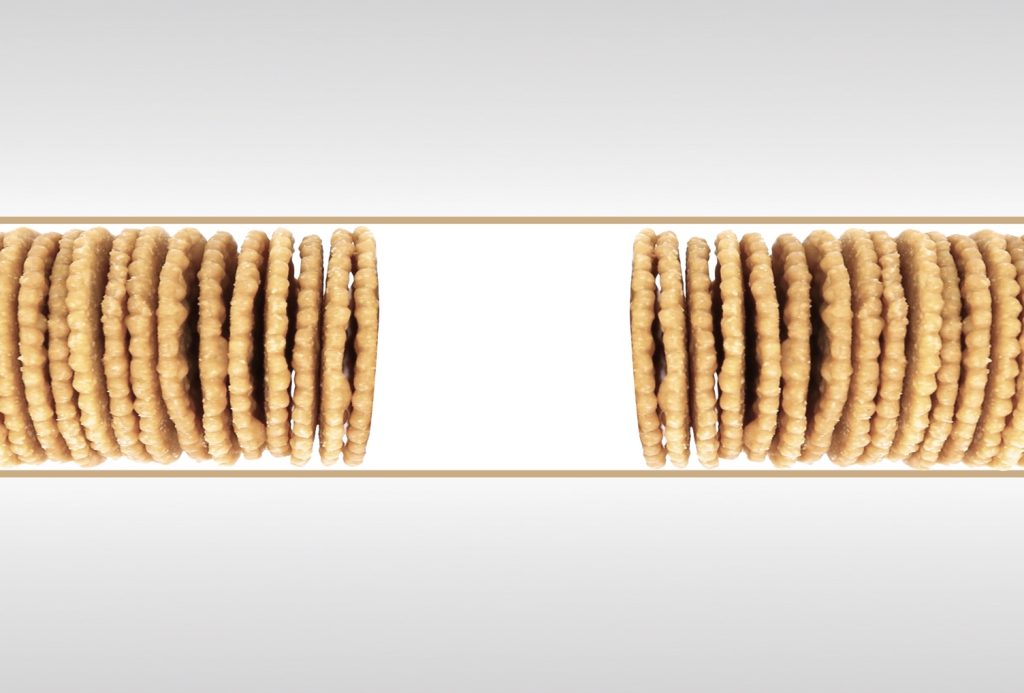
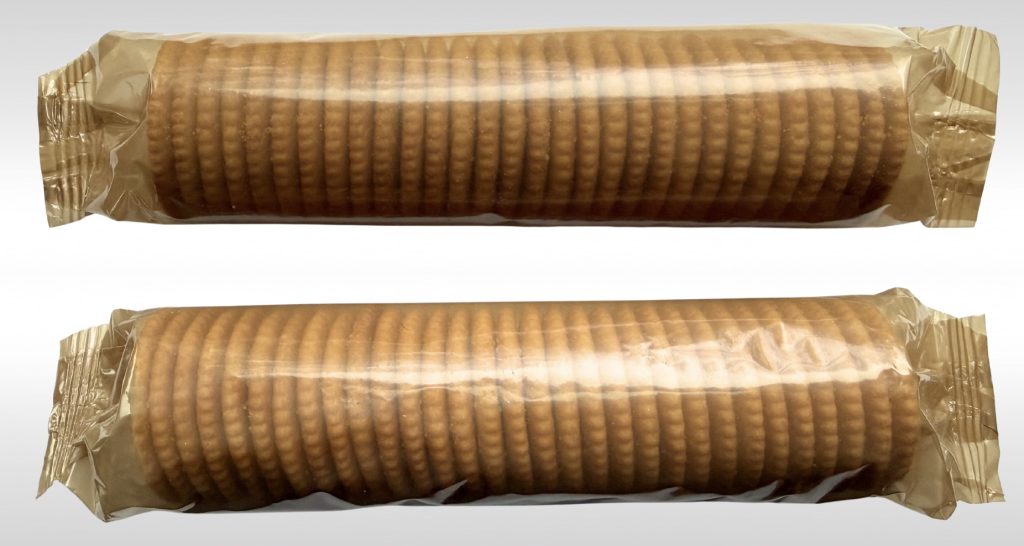
On a flow wrapper that packaged on edge slugs of crackers, a client reported that the sealing jaws had begun to fracture the seals.
The fracturing was intermittent, on some but not all packages, and occurred mostly at the edge of the seal closest to the product.
What Has Changed?
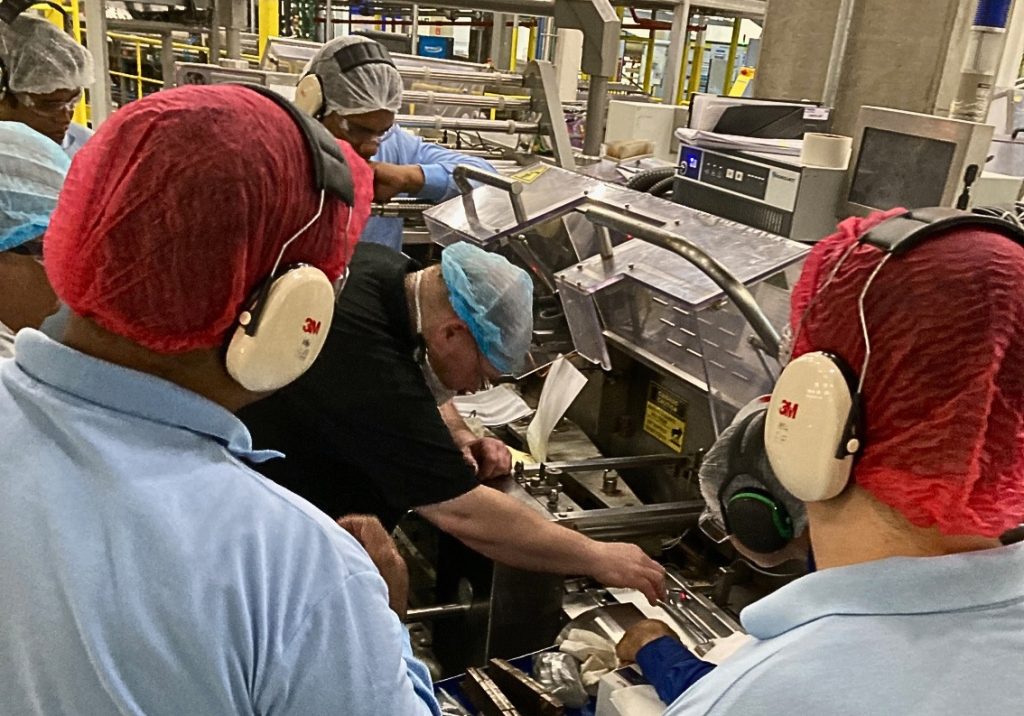
A Greener Technical Specialist visited the client to help resolve the problem. He began by searching for changes on the packaging line that could be causing the fracturing.
Flexible Packaging Material?
The flexible packaging material remained the same.
Sealing Jaw Design?
The sealing jaws had been producing good seals before the problem appeared.
Sealing Jaw Condition, Alignment, or Clearance?
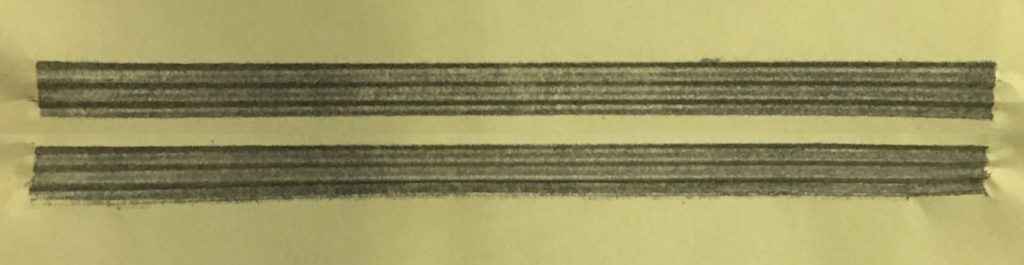
Carbon impressions didn’t indicate worn or damaged serrations that would split the seals, and they confirmed that alignment and clearance were adjusted accurately.
Package Formation?
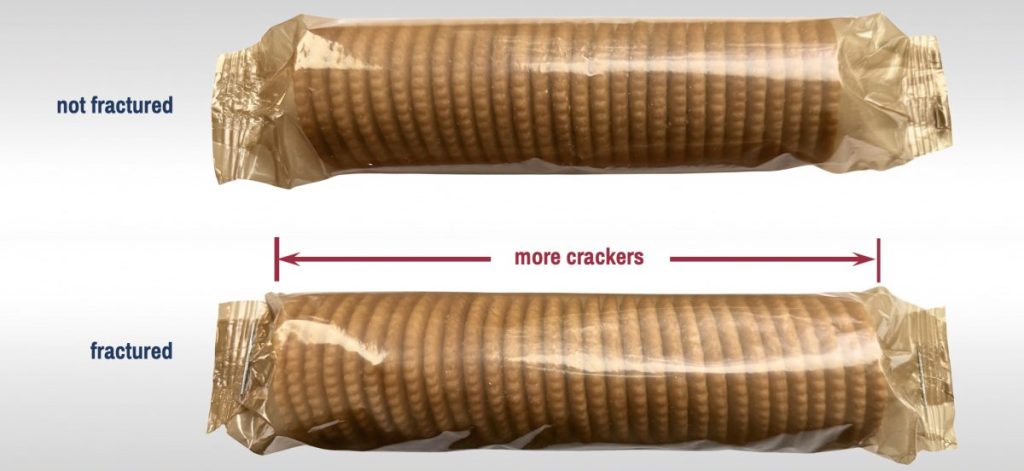
On fractured and unfractured packages, the tightness of the tube, fin seal width, and the size and location of the gussets were similar. But although the packages were all the same overall length, the fractured packages had more crackers in them than those that weren’t fractured.
Product?
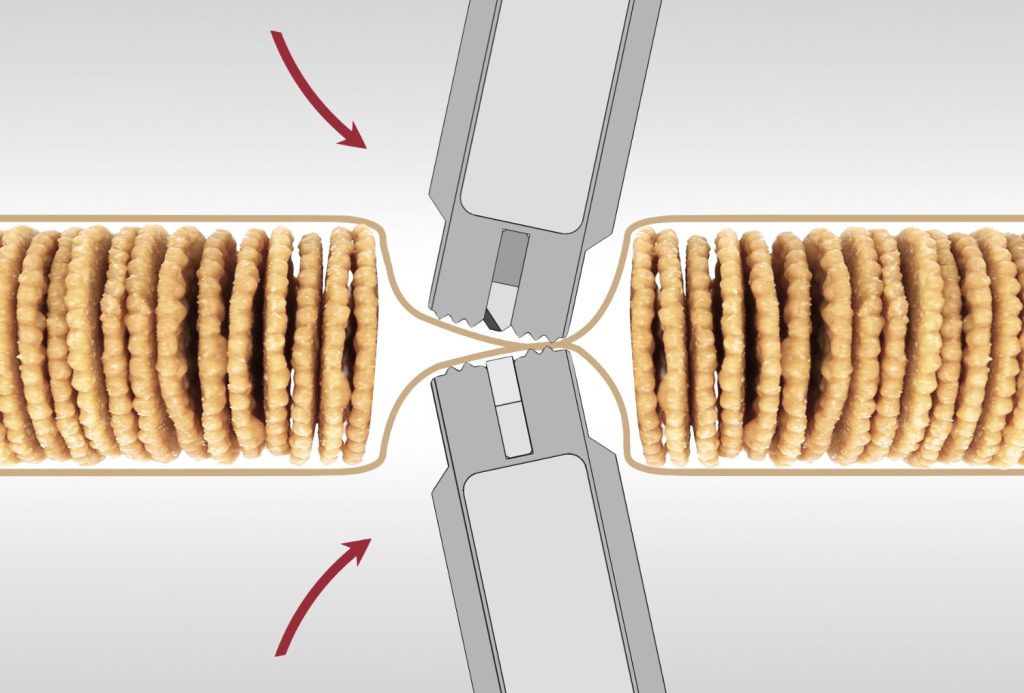
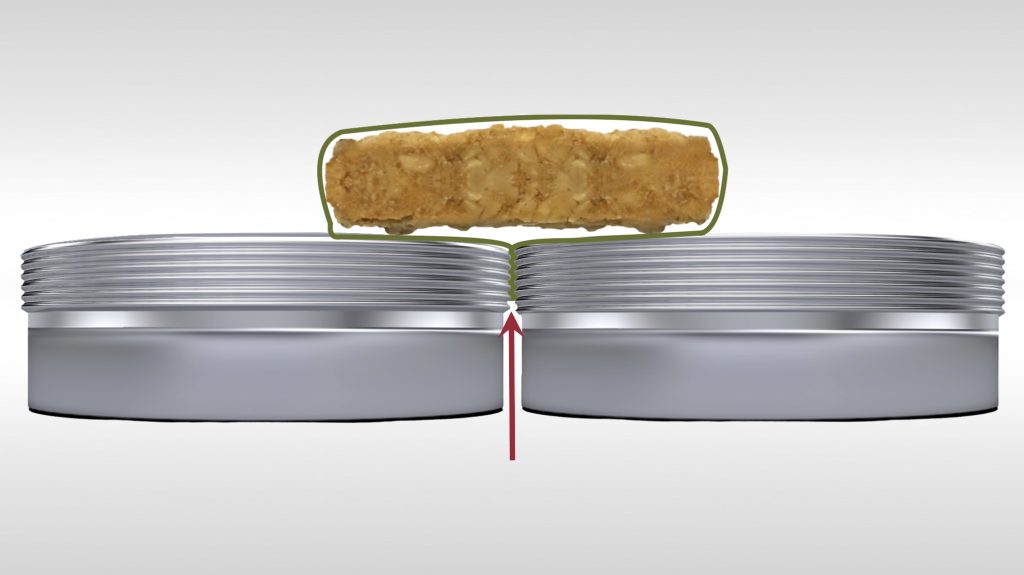
During the sealing process, there was not enough space between the slugs with extra crackers. and the tube was suspended too tightly between them. As the sealing jaws rotated together and compressed the tube, they were fracturing the package.
Why did some packages have extra crackers? We looked upstream, to the product production process, for answers.
An oil sprayer was malfunctioning. Crackers that didn’t receive enough oil weighed less than usual, and additional crackers were automatically being added to some slugs to reach the correct package weight.
Solution
When the oiler was fixed, the number of crackers in each slug remained consistent and the fracturing problem was eliminated.
Product Feed and Seal Integrity Problems
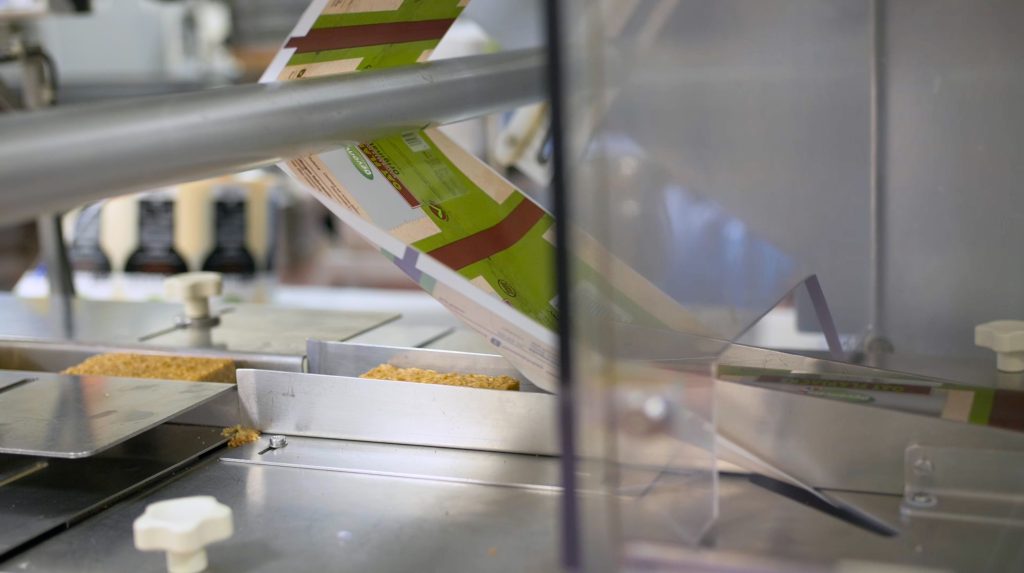
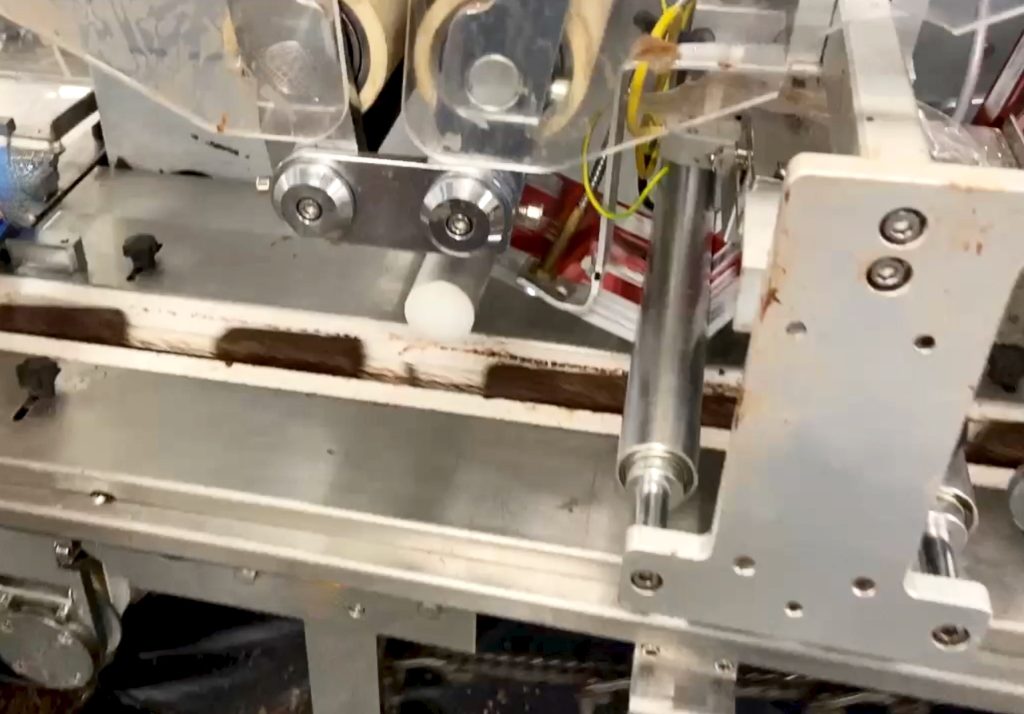
Another client was experiencing chronic problems with product feed and poor seal integrity on a line that wrapped extruded snack bars. Sometimes the snacks hesitated and didn’t feed cleanly through the forming box, creating wrinkles in the packages that caused channel leakers.
The width of the fin seal was inconsistent and often too narrow, so the packaging material didn’t track properly and the fin often pulled free from the fin wheels.
Out of registration snacks were often clipped by the sealing jaws as they rotated together.
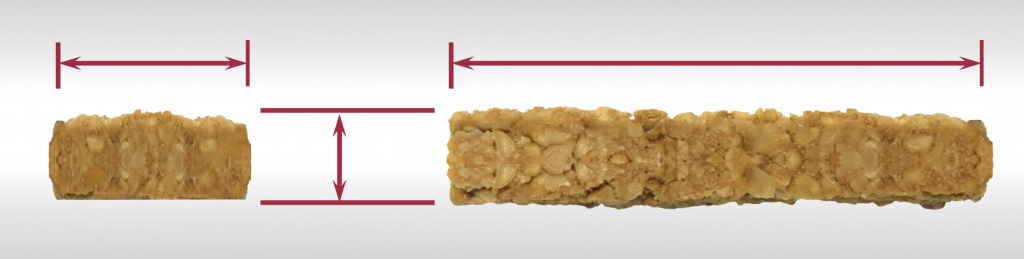
In this case, product size was the inconsistent variable; the product feed and seal integrity issues occurred when snack bars were oversized.
Refinements to the portioning process made product size more consistent and alleviated the chronic problems.
More Product Issues
We’ve seen similar product feed and seal integrity issues that were caused by a sticky, chocolate enrobed product that wasn’t cooled properly, by a snack cake that was too gummy because the batter wasn’t mixed thoroughly enough, and by many other product related issues.
Problem Resolution
Effective problem resolution on flow wrappers must consider the full range of product production, product feed, and packaging processes.
Comprehensive training for mechanics and machine operators is an essential part of this integrated approach, especially with the high turnover rates and shortage of long-term experience that many packagers are facing.