A Tech Bite from Greener Packaging Technology Engineer Steve Tucker
In the world of flexible packaging, one of the most important developments has been the transition to “sustainable” or “recycle-ready” materials. While these terms continue to evolve within an ever-changing regulatory landscape, one thing is clear: Our industry is being challenged to maintain or exceed current package quality and productivity levels—even with the limitations of these new materials.
This Greener Tech Bite presents methods to Understand and Overcome the Heat Seal Limitations of Sustainable Flexible Packaging Materials on Flow Wrappers and Vertical FFS Baggers.
Seal Range
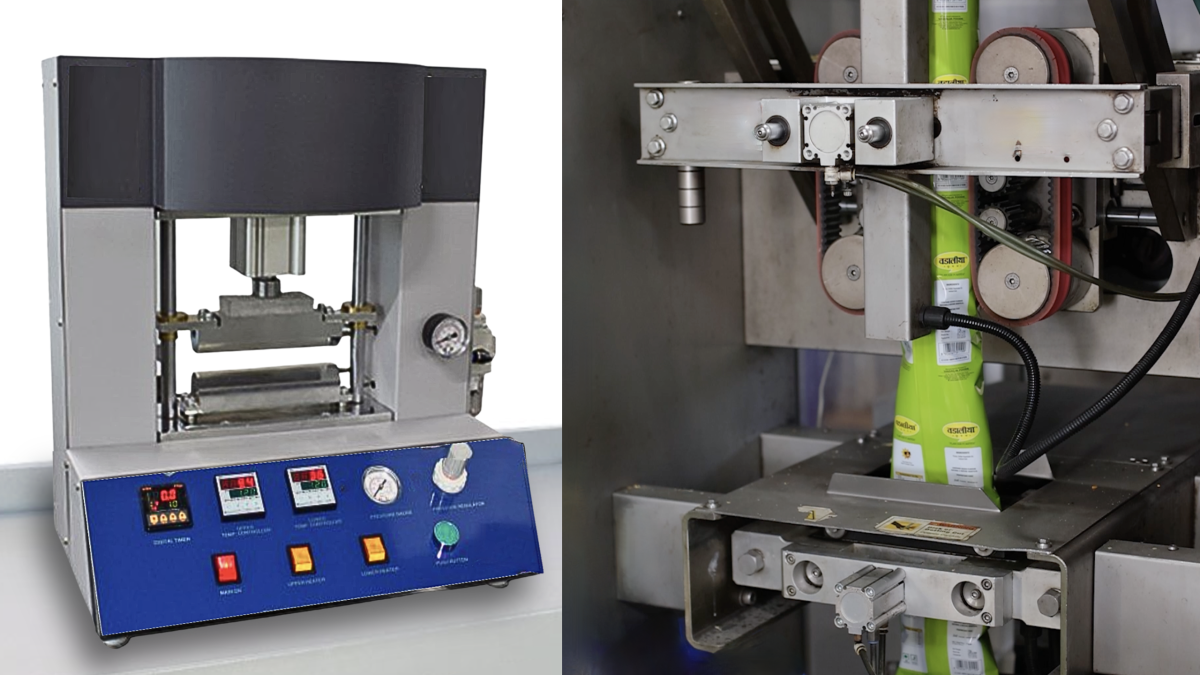
One of these key challenges is seal performance, or the seal range, of a flexible packaging material. To better understand seal range, let’s explore the packaging process.
Laboratory Seal Range
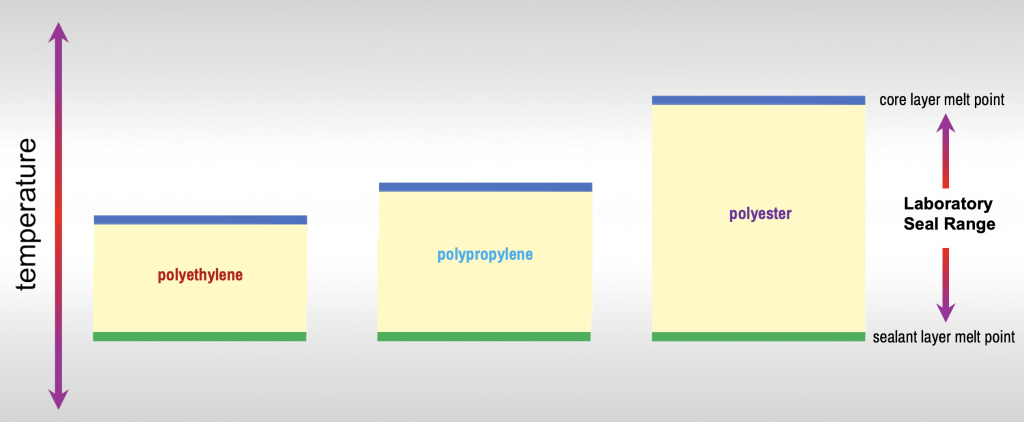
A material’s Laboratory Seal Range extends between the melt point of its core layer(s) and the melt point of its sealant layer, which is designed to be lower than the core layer. Laboratory Seal Range reflects theoretical temperatures, without respect to the packaging conditions required for the material to reach those temperatures.
The laboratory Seal Range varies significantly between polymer types. The higher the core layer melt-point, the more resistant the material becomes to heat-related damage at high temperatures.
Manufacturing Seal Range
Manufacturing Seal Range is a bit more complex. Rather than looking solely at a material’s theoretical melt points, it accounts for additional variables that don’t exist in a lab setting.
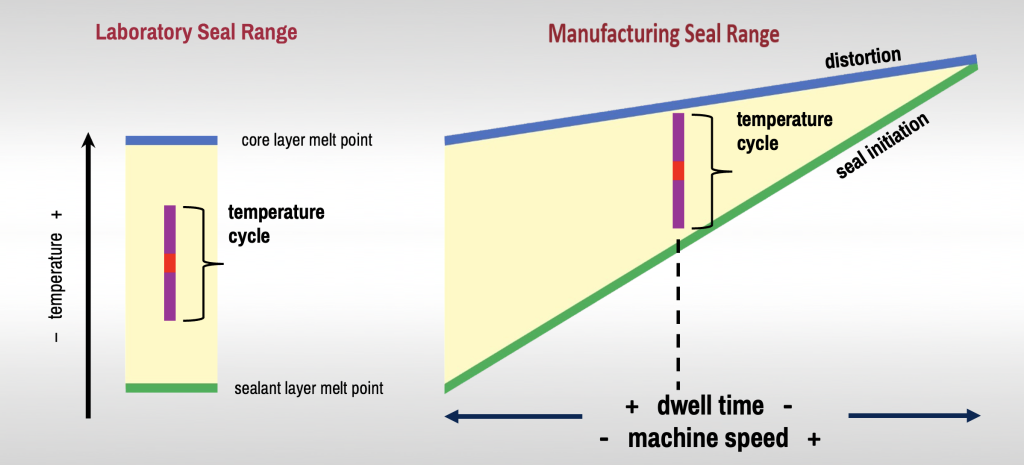
The Manufacturing Seal Range must allow for sealing jaw temperature cycles as the jaws transfer heat to the package and then recover, and for wider temperature cycles when production slows down or is interrupted.
Unlike the Laboratory Seal Range, the Manufacturing Seal Range does not remain constant; it narrows as machine speed increases and sealing time, or dwell, is reduced.
Why Manufacturing Seal Range Matters
A true Manufacturing Seal Range study describes the relationship between sealing jaw temperature, dwell time, and force, and will ultimately determine the minimum dwell time and the maximum machine speed that maintain proper seal integrity.
Thermal Transfer Efficiency (TTE)
Thermal Transfer Efficiency is a critical determinant of Manufacturing Seal Range.
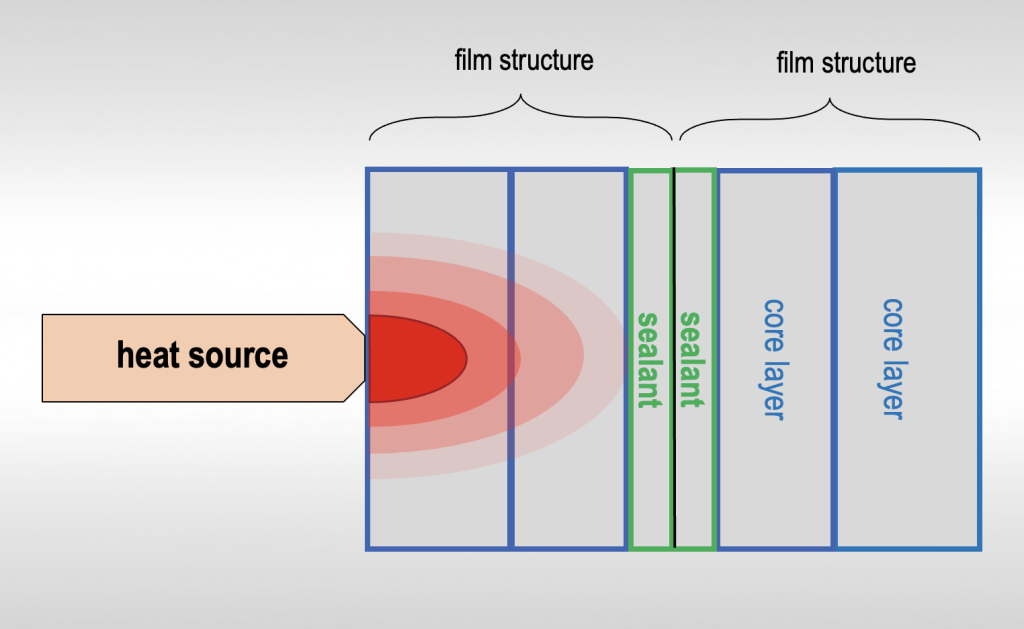
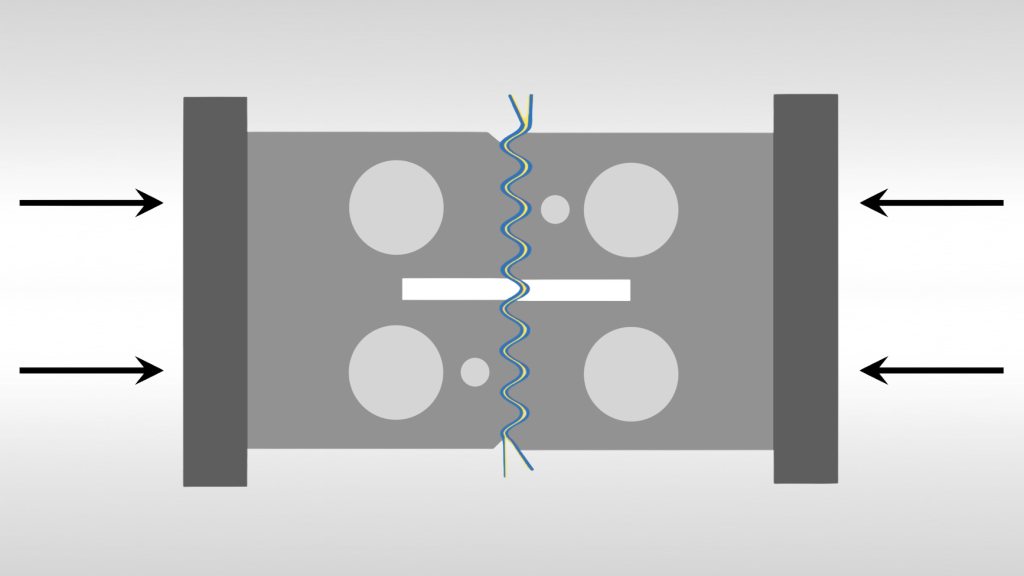
During the sealing process, temperatures are highest where the sealing jaws contact the package and then dissipate as heat travels through the core layers to the sealant.
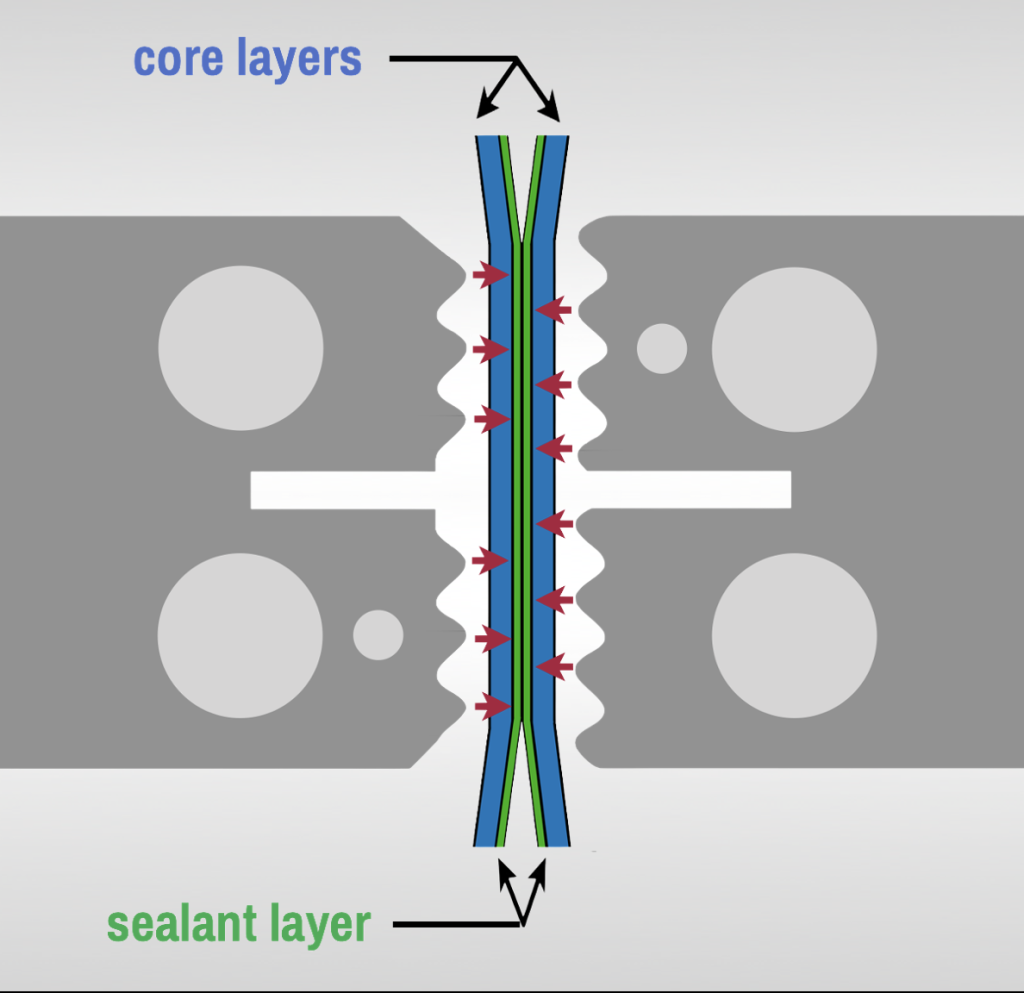
The goal is to optimize Thermal Transfer Efficiency—where heat and pressure activate the sealant layer and move it into channels and voids to seal off leaks as quickly as possible, without overheating and distorting the core layers.
Sealing pressure is a function of the force with which the bagger or wrapper closes the sealing jaws. Force, and the efficient distribution of that force, is the key driver of Thermal Transfer Efficiency. But force has limited adjustability on most machines.
Requirements for Thermal Transfer Efficiency are dictated by:
The seal integrity requirements of the product being packaged.
The machine speeds and throughput levels that are needed.
The structure of the flexible packaging material, which is typically limited by cost.
Factors That Affect Thermal Transfer Efficiency
A number of factors affect Thermal Transfer Efficiency and impact a flexible packaging material’s Manufacturing Seal Range.
Sustainable and Lower Cost Materials
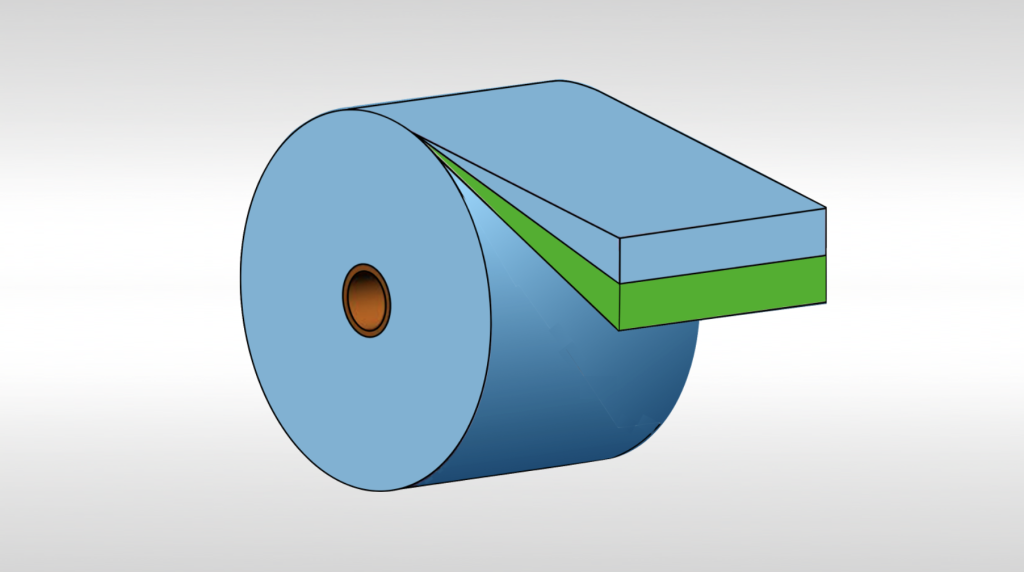
Flexible packaging materials designed for sustainability, such as mono materials, or to control material costs, often have narrower Laboratory Seal Ranges and require greater Thermal Transfer Efficiency to achieve necessary machine speeds.
Thicker Materials
High Thermal Transfer Efficiency is also needed with thicker packaging materials, which require higher sealing jaw temperatures and/or more dwell time to activate the sealant layer.
Package Geometry
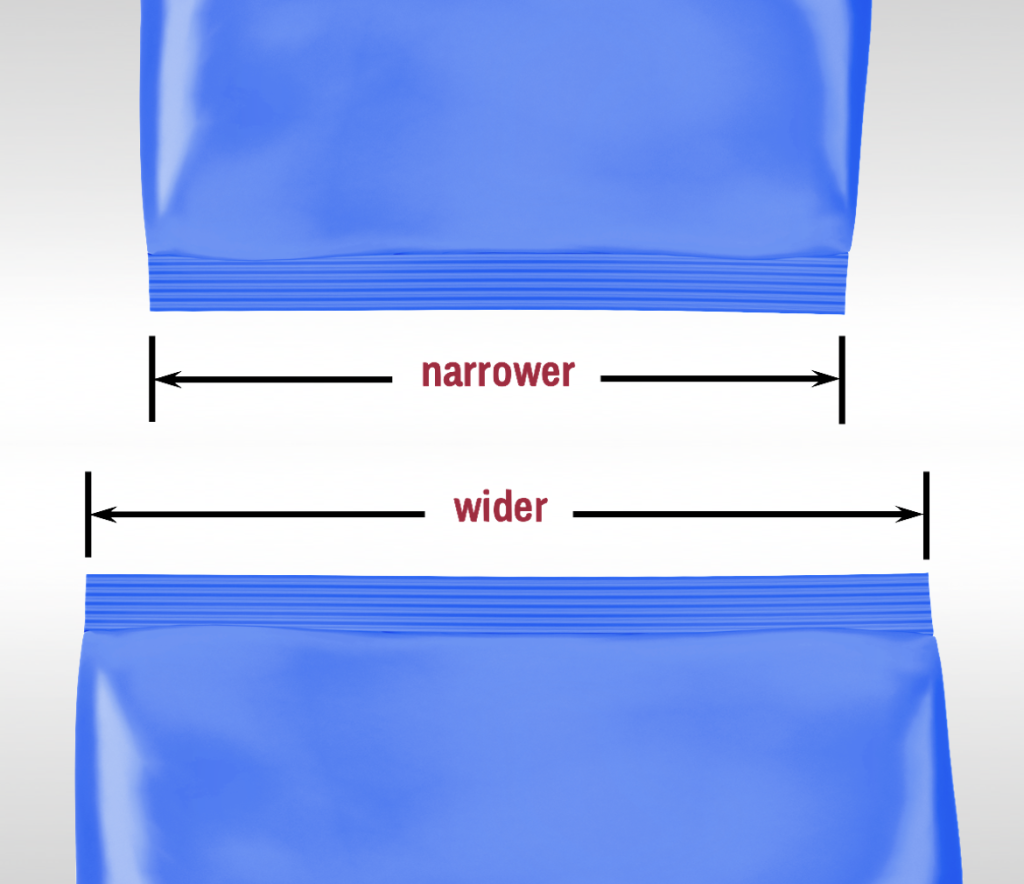
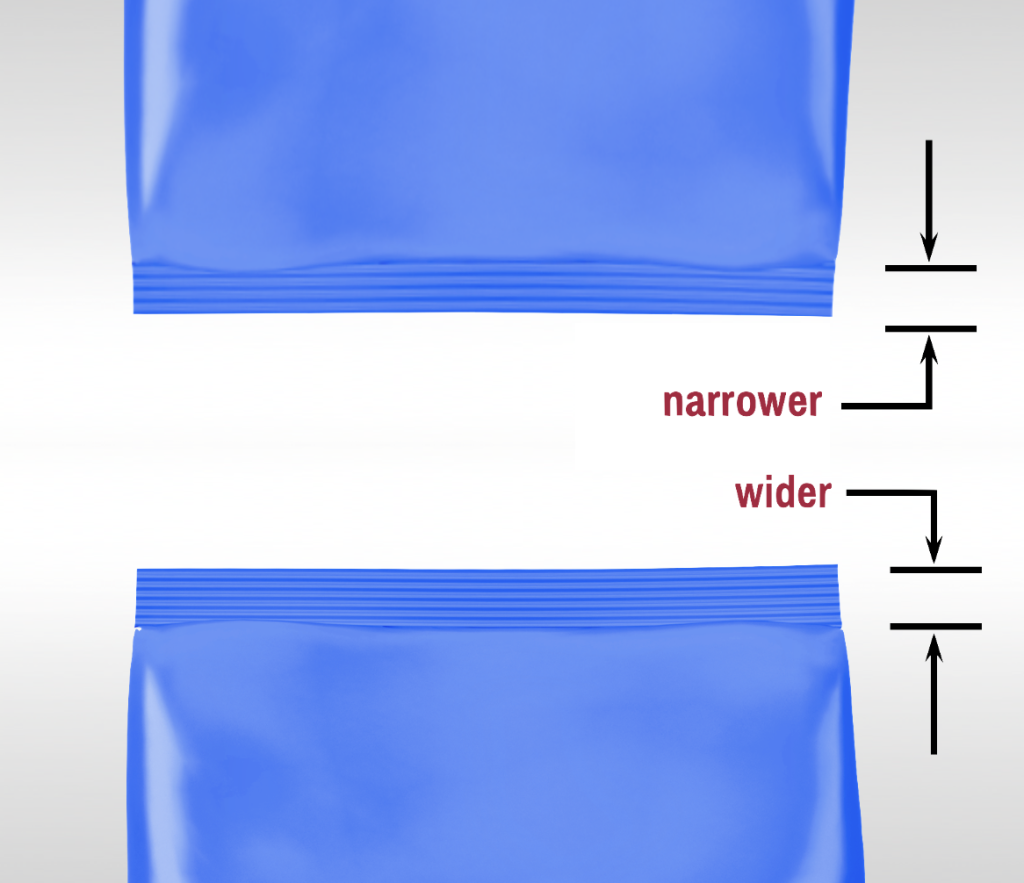
Package geometry also play a role. Wider packages or wider seal widths spread force over a larger area and dilute sealing pressure.
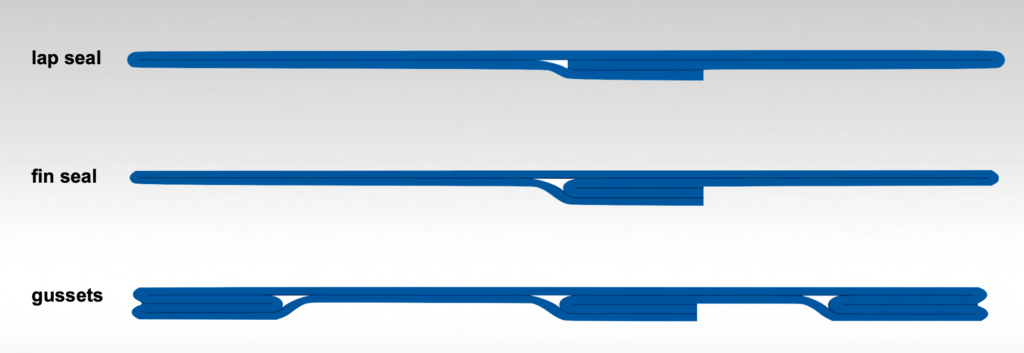
Gaps caused by varying thicknesses at the fin or lap seal, gussetts, and wrinkles—sometimes referred to as the Triangle of Death—make it difficult to apply adequate sealing pressure without distorting or damaging the package.
Low Sealing Pressure / Force
Lower sealing pressure, a function of the force with which the bagger or wrapper closes the sealing jaws, reduces Thermal Transfer Efficiency.
As mentioned earlier, force has limited adjustability on most machines.
Sustainable or other materials with a narrow Laboratory Seal Range, and/or the presence of these other limiting factors, can tighten the Manufacturing Seal Range and reduce machine speeds.
These effects, however, can be mitigated by improving Thermal Transfer Efficiency.
Improving Thermal Transfer Efficiency
Improving Thermal Transfer Efficiency is the key to meeting your seal integrity and machine speed requirements with Sustainable Flexible Packaging Materials.
XR™* Sealing Jaws: More Efficient Force Distribution
Greener Corporation’s XR™* Sealing Jaws improve Thermal Transfer Efficiency by distributing the wrapper or bagger’s existing force much more efficiently.
Advanced XR™* geometry activates the sealant layer more effectively and moves it into voids to seal off leaks. This improves Thermal Transfer Efficiency and eliminates the need to upgrade or replace packaging machinery to achieve greater force.
* US Patent No. 12/752,952
XR™* Sealing Jaws: Reduced Temperature Variability
XR™* Sealing Jaws are made from Dura-Therm material, which increases Thermal Transfer Efficiency by significantly reducing temperature variation on the sealing surface of the jaws.
A more consistent temperature profile allows XR™* Jaws to transfer more heat to the sealant layer without distorting or damaging the core layers of the package.
To learn more about improving seal quality and machine speeds with Sustainable Flexible Packaging Materials on your flow wrappers and vertical form fill seal baggers, contact Greener Corporation.
We provide integrated parts and technical services worldwide.
Tags
Flexible Packaging Materials
Sealing Jaws
Sealing Jaws - Dura-Therm
Sealing Jaws - Serrations
Sealing Jaws - XR™
Sealing Temperature
Related Posts
NEW, Expanded Resources to Troubleshoot Problems, Run Material Trials, and Train Your Team